French Macaron Recipe – Perfect Delicate Cookies
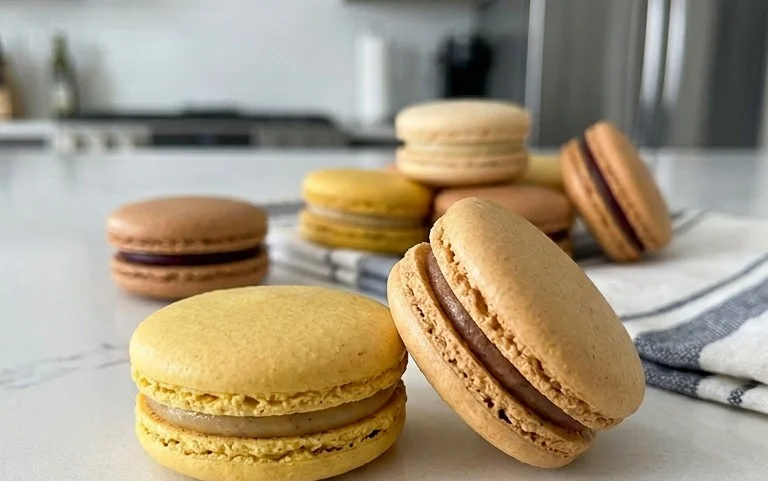
French macaron recipes have a mystique all their own, don’t they? These delicate, jewel-toned cookies, with their crisp shells and chewy centers, are more than just a dessert; they’re edible works of art. We’ve all admired them in patisserie windows, their vibrant colors and perfect symmetry practically singin extractg to us. But what is it about the French macaron that captures our hearts and taste buds so completely? It’s the delightful contrast of textures – the slight crunch that gives way to a soft, yielding interior – and the endless possibilities for flavor. From classic vanilla bean to decadent chocolate ganache, the filling is just as important as the shell. Embarking on your own French macaron journey might seem daunting, but with a clear guide and a little patience, you too can master this iconic treat.
French Macaron Recipe
Creating perfect French macarons can feel like an alchemist’s pursuit, a delicate dance between precision and intuition. But fear not! With this comprehensive guide, you’ll be well on your way to mastering these delightful, airy meringue cookies. The key to success lies in accurate measurements, proper technique, and a little patience. These aren’t your average cookies; they are a testament to refined baking, boasting a crisp shell that gives way to a chewy interior, sandwiching a rich, creamy filling. Let’s embark on this sweet adventure together!
Ingredients:
Macaron Shell Preparation
This is where the magic truly begin extracts. Precision is paramount in this stage.
Cooling and Assembling
Once baked, patience is once again your virtue.
Enjoy your exquisite homemade French macarons!
Conclusion:
You’ve now got the keys to creating perfect French macarons at home! This recipe is designed to be your guiding star, leading you to those delicate, melt-in-your-mouth cookies with their signature smooth shell and delightful chewy interior. The magic truly lies in the precise technique of macaronage and achieving stiff peaks in your meringue. Don’t be discouraged if your first batch isn’t flawless; the journey to mastering the French macaron is a rewarding one, and each attempt brings you closer to perfection.
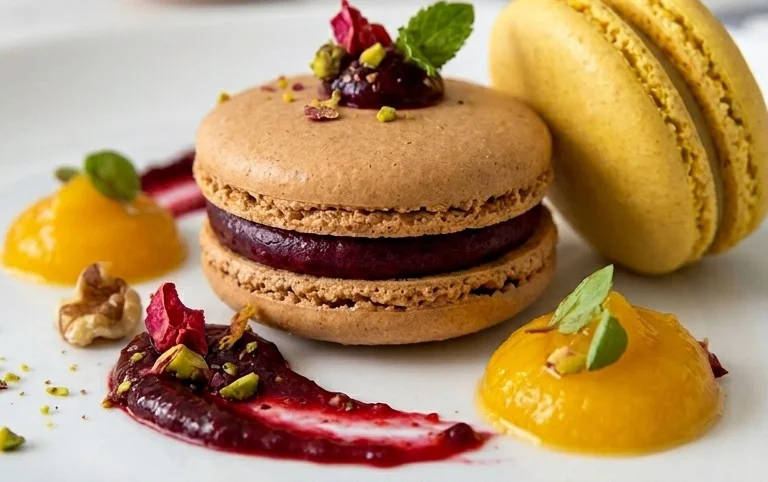
These little jewels are incredibly versatile. Serve them as an elegant dessert at your next dinner party, a sweet treat with your afternoon tea, or package them up as a thoughtful homemade gift. For variations, consider infusing your meringue with finely ground matcha for a vibrant green hue and earthy flavor, or add a touch of lemon zest to the shells for a bright citrus note. Experimenting with different fillings, from classic chocolate ganache to creamy fruit curds, is where you can truly let your creativity shine.
I highly encourage you to give this French macaron recipe a try. Embrace the process, learn from any challenges, and most importantly, enjoy the delicious results. You’ll be amazed at what you can achieve in your own kitchen!
Frequently Asked Questions:
Why are my French macarons cracking?
Cracking is often caused by oven temperature that’s too high, under-mixed batter (macaronage), or air bubbles not being properly tapped out. Ensure your oven is accurately calibrated and that you’ve thoroughly tapped the baking sheets to release any trapped air before baking.
What is ‘macaronage’ and why is it important?
Macaronage is the critical step of folding the dry ingredients into the meringue until the batter reaches a lava-like consistency. This is crucial because over-mixing will result in flat, greasy shells, while under-mixing will lead to lumpy, cracked macarons. You’re aiming for a batter that flows slowly and smoothly off your spatula.
Can I make French macarons without a stand mixer?
Yes, you absolutely can! While a stand mixer makes achieving stiff meringue peaks easier, it’s definitely achievable by hand with a whisk. It will require considerable arm strength and persistence, but the result will be just as delicious if you achieve the proper meringue consistency.
French Macaron Recipe
A classic French macaron recipe yielding delicate, colorful meringue shells with a smooth filling.
Ingredients
-
150 grams sifted super-fine almond flour
-
180 grams powdered sugar
-
1/4 teaspoon salt
-
120 grams large egg whites (at room temperature)
-
60 grams granulated sugar
-
4 drops liquid-gel food coloring
-
1 teaspoon pure vanilla extract
Instructions
-
Step 1
Combine sifted almond flour, powdered sugar, and salt in a food processor and pulse a few times until well combined. Sift the mixture into a large bowl to remove any lumps. Set aside. -
Step 2
In a clean, dry bowl, whisk the egg whites until foamy. Gradually add the granulated sugar while whisking continuously until stiff, glossy peaks form. Stir in the food coloring and vanilla extract. -
Step 3
Gently fold the dry ingredients into the meringue in three additions, using a spatula. Fold until the batter is smooth and flows like lava. Do not overmix. -
Step 4
Transfer the batter to a piping bag fitted with a round tip. Pipe small, uniform rounds onto baking sheets lined with parchment paper or silicone mats, leaving space between each macaron. -
Step 5
Tap the baking sheets firmly on the counter several times to release any air bubbles. Let the piped macarons rest at room temperature for about 30-60 minutes, or until a skin forms on the surface. -
Step 6
Preheat oven to 300°F (150°C). Bake for 12-15 minutes, or until the macarons have developed “feet” and the shells are firm to the touch. -
Step 7
Let the macarons cool completely on the baking sheets before removing them. Once cooled, pair matching shells and fill with your choice of frosting or filling.
Important Information
Nutrition Facts (Per Serving)
It is important to consider this information as approximate and not to use it as definitive health advice.
Allergy Information
Please check ingredients for potential allergens and consult a health professional if in doubt.