
Authentic Miso Soup Recipe- Quick & Easy Flavor
Miso soup recipe, a comforting bowl of umami-rich goodness, is a cornerstone of Japanese cuisine and a dish I find myself returning to time and time again. There’s something profoundly satisfying about its simple yet complex flavors, a delicate balance that warms you from the inside out. People adore it for its nourishing qualities, its versatility, and its ability to transport them to a serene culinary landscape with just a few sips. What truly makes this miso soup recipe special is its inherent adaptability; while the foundational elements remain constant, the additions can transform it into a hearty meal or a light, palate-cleansing starter. It’s the perfect illustration of how minimal ingredients can yield maximum flavor.
Why You’ll Love This Miso Soup Recipe
A Taste of Tradition, Made Simple
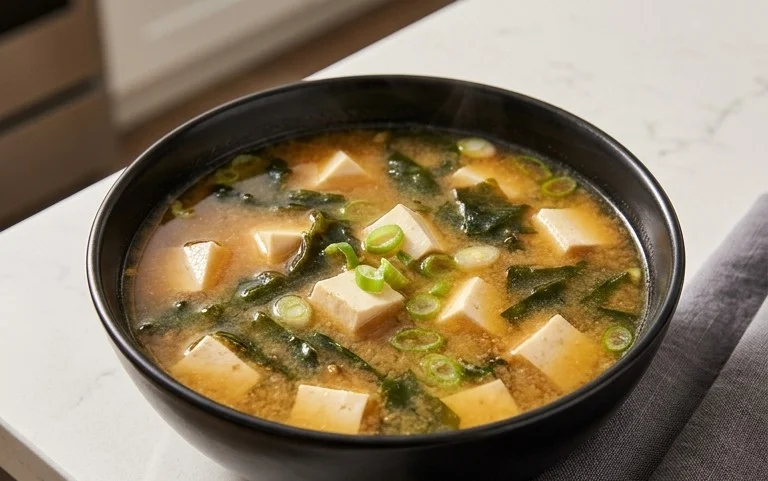
Miso Soup Recipe
There’s something incredibly comforting and soul-warming about a bowl of steaming miso soup. It’s a staple in Japanese cuisine for a reason – it’s simple, nourishing, and packed with umami flavor. Whether you’re seeking a light starter for a Japanese feast, a quick and healthy lunch, or a soothing element to a quiet evening, this miso soup recipe is your perfect companion. It’s remarkably easy to make, and the adaptability of miso allows for endless variations. Today, we’ll walk through a classic preparation that highlights the delicate balance of flavors.
Ingredients:
Crafting Your Miso Soup
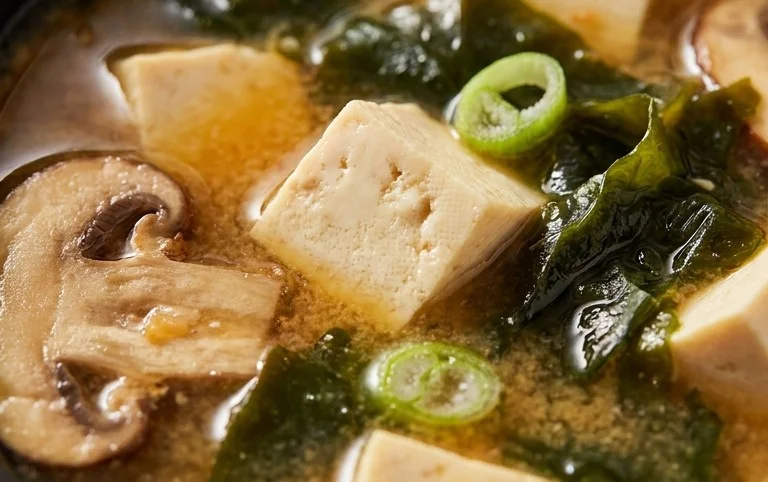
This recipe focuses on bringin extractg together a few key ingredients to create a truly satisfying experience. Dashi, the foundational broth, provides a subtle yet complex savory base. Dried seaweed, often wakame, rehydrates beautifully and adds a pleasant texture and oceanic flavor. Silken tofu offers a delicate, creamy element that melts in your mouth, while the miso paste is the star, infusing the soup with its characteristic fermented goodness. Finally, fresh scallions add a bright, pungent finish.
Let’s get started on creating this delicious and healthful soup.
Step-by-Step Instructions
1. Prepare the Dashi and Seaweed:
Begin extract by bringin extractg your 2½ cups of dashi to a gentle simmer in a medium saucepan over medium heat. While the dashi is warming up, it’s time to address the dried seaweed. If you’re using dried wakame, it typically needs a quick rehydration. Place the heaping tablespoon of dried seaweed in a small bowl and cover it with lukewarm water. Let it sit for about 5-10 minutes, or until it has softened and expanded. You’ll notice it increases significantly in volume. Once rehydrated, drain the seaweed well, squeezing out any excess water. If the pieces are large, you can roughly chop them for easier eating.
2. Introduce the Tofu:
Once your dashi is simmering gently (you don’t want a rolling boil, as it can affect the delicate flavors), carefully add the 4 oz of silken tofu, which you’ve already cut into small, bite-sized pieces. The silken tofu is very delicate, so handle it with care to avoid breaking it up too much. Allow the tofu to heat through in the simmering dashi for about 2-3 minutes. This step is crucial for ensuring the tofu is warm and ready to be enjoyed within the soup.
3. Incorporate the Seaweed and Heat:
Now, add the rehydrated and drained seaweed to the saucepan with the dashi and tofu. Stir gently to distribute the seaweed evenly throughout the broth. Continue to simmer the soup for another 2-3 minutes. This allows the flavors of the seaweed to meld with the dashi and tofu, and ensures everything is heated through. The key here is to maintain a gentle simmer, not a vigorous boil, to preserve the integrity of the ingredients and the subtlety of the flavors.
4. Dissolving the Miso Paste:
This is perhaps the most important step in achieving a perfect miso soup. Miso paste is a fermented product and loses its beneficial enzymes and delicate flavor if boiled. So, instead of adding the miso directly to the simmering soup, we’ll temper it. Ladle out about ½ cup of the hot dashi broth from the saucepan into a separate small bowl. Add your 2-2½ tablespoons of miso paste to this bowl. Now, using a whisk or a fork, stir the miso paste into the hot broth until it is completely dissolved and you have a smooth, lump-free paste. This process is called tempering and ensures the miso is evenly distributed without cooking it at high heat.
5. Completing the Soup and Serving:
Once the miso paste is fully dissolved in the small bowl, gently pour this mixture back into the main saucepan with the dashi, tofu, and seaweed. Stir everything together very gently. At this point, you do NOT want to boil the soup. Heat it through gently over low heat for just a minute or two, ensuring it’s warm but not bubbling. Over-boiling will diminish the miso’s flavor and aroma. Taste the soup and adjust the amount of miso paste if you prefer a stronger or milder flavor. Finally, ladle the hot miso soup into individual serving bowls. Garnish generously with the chopped scallions. Serve immediately and savor the comforting embrace of this classic Japanese dish. Enjoy this simple yet profound taste of Japan!
Conclusion:
And there you have it! This miso soup recipe is truly a gem – simple, incredibly flavorful, and wonderfully comforting. It’s the perfect example of how a few high-quality ingredients can come together to create something truly special. Whether you’re a seasoned home cook or just starting out in the kitchen, this recipe is accessible and rewarding, offering a taste of authentic Japanese cuisine with minimal effort. Don’t be afraid to experiment and make it your own!
Enjoy this versatile miso soup as a light appetizer to any meal, a nourishing breakfast, or a soothing accompaniment to your favorite rice or noodle dishes. For an extra boost of flavor and texture, consider adding silken tofu, thinly sliced scallions, or a sprinkle of toasted sesame seeds just before serving. You can also explore different types of miso paste, such as red miso for a richer, deeper flavor, or white miso for a milder, sweeter profile. The possibilities are truly endless!
I highly encourage you to give this recipe a try. The aroma alone will fill your kitchen with warmth, and the delicious taste will undoubtedly leave you satisfied. Happy cooking!
Frequently Asked Questions:
What are the best serving suggestions for miso soup?
Miso soup is incredibly versatile! It’s a classic starter for any Japanese meal, perfect with sushi, teriyaki, or tempura. It also makes a wonderful light breakfast, especially when paired with a bowl of rice. For a heartier option, consider adding it alongside ramen or udon noodles. Some people even enjoy it as a palate cleanser between courses.
Can I make this miso soup recipe vegetarian or vegan?
Absolutely! This recipe can easily be made vegetarian or vegan. The key is to ensure your dashi is vegetarian. You can achieve this by using kombu (dried kelp) and dried shiitake mushrooms to make your own dashi, or by purchasing pre-made vegetarian dashi powder. Ensure your miso paste is also free of any animal products, which is typically the case for most varieties.
What kind of miso paste should I use?
The type of miso paste you use will significantly impact the flavor. White miso (shiro miso) is mild and slightly sweet, making it a great choice for begin extractners or those who prefer a delicate taste. Red miso (aka miso) is more robust and savory, offering a deeper umami flavor. You can also find yellow miso, which is a good middle ground. Feel free to experiment with different types to find your favorite!
Miso Soup
A simple and classic Japanese miso soup, quick to prepare and comforting to enjoy.
Ingredients
-
2½ cups Dashi
-
1 heaping tablespoon dried seaweed
-
4 oz silken tofu (cut into small pieces)
-
2-2½ tablespoons white miso paste (or to taste)
-
1 tablespoon scallion (chopped)
Instructions
-
Step 1
In a medium saucepan, gently heat the Dashi over medium heat. -
Step 2
Add the dried seaweed to the warm Dashi and let it rehydrate for about 2-3 minutes. -
Step 3
Carefully add the silken tofu pieces to the pot. -
Step 4
In a small bowl, whisk the miso paste with a ladleful of the warm Dashi until smooth. -
Step 5
Pour the dissolved miso mixture back into the saucepan. Stir gently to combine. -
Step 6
Heat the soup gently for another 2-3 minutes, but do not boil, as this can diminish the flavor of the miso. -
Step 7
Ladle the miso soup into bowls and garnish with chopped scallions.
Important Information
Nutrition Facts (Per Serving)
It is important to consider this information as approximate and not to use it as definitive health advice.
Allergy Information
Please check ingredients for potential allergens and consult a health professional if in doubt.