Easy Homemade Bread Recipe – Fresh & Delicious Baked Goods
Homemade bread. Just the thought of it conjures up images of warm, crusty loaves filling our kitchens with an aroma that’s pure comfort. There’s something undeniably magical about transforming simple ingredients – flour, water, yeast, and salt – into something so profoundly delicious and satisfying. In a world of convenience, the act of making homemade bread is a rebellion, a deliberate choice to slow down and connect with a timeless craft. It’s about more than just sustenance; it’s about the joy of creation, the pride in a perfectly risen loaf, and the unparalleled taste of bread made with your own hands. This isn’t just baking; it’s an experience, a sensory delight that nourishes the soul as much as the body. Let’s dive into the wonderful world of creating your very own masterpiece.
Why You’ll Love Making Your Own Bread:
The Unbeatable Aroma
The Superior Taste and Texture
The Sense of Accomplishment
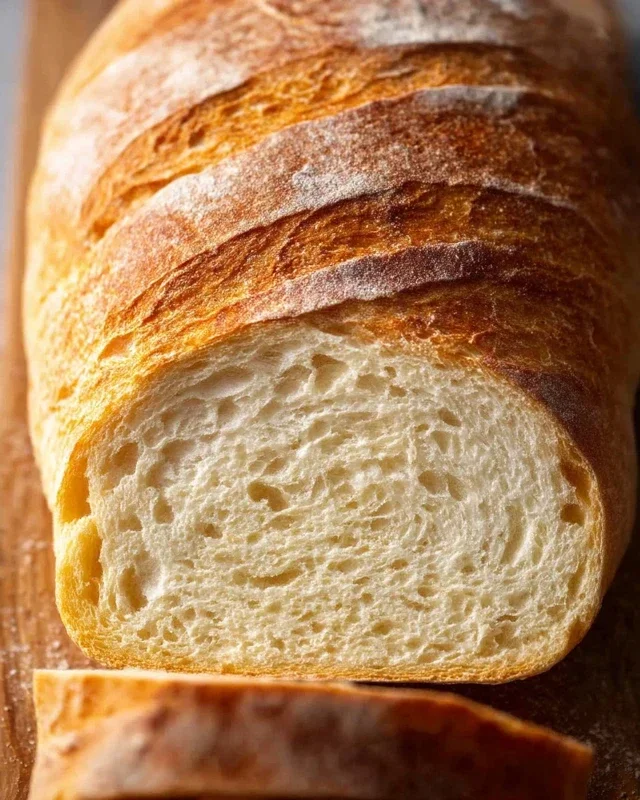
Homemade Bread
There’s a special kind of magic that happens when you bake your own bread. The aroma that fills your kitchen, the satisfying weight of a freshly baked loaf, and the unparalleled taste of a slice still warm from the oven – it’s an experience that’s both comforting and incredibly rewarding. Forget those bland, store-bought options; with just a few simple ingredients and a little bit of patience, you can create a loaf of bread that’s truly exceptional. This recipe is designed to be approachable, even for begin extractners, and will guide you through the process of making a classic, soft, and delicious homemade bread.
Ingredients:
*Note on yeast and flour: For the best results, ensure your active dry yeast is fresh. If it’s been open for a while or you’re unsure of its potency, you can proof it first by dissolving it with the warm water and honey/sugar and letting it sit for 5-10 minutes. If it gets foamy, it’s good to go! Bread flour will give you a chewier crum extractb, while all-purpose flour will result in a softer loaf.
Mixing and Kneading the Dough
This is where the transformation begin extracts. In a large mixing bowl, combine the warm water and your chosen sweetener (honey for a slightly richer flavor, sugar for a more neutral sweetness). Sprinkle the active dry yeast over the top. Give it a gentle stir and let it sit for about 5-10 minutes. You’ll know the yeast is alive and ready when it becomes foamy and bubbly, indicating it’s activated. This step is crucial for a good rise. Once your yeast is active, stir in the salt and oil.
Now, it’s time to add the flour. Start by adding about 4 cups of the flour to the wet ingredients. Stir with a sturdy spoon or spatula until a shaggy dough begin extracts to form. It will look messy at this stage, and that’s perfectly normal. Gradually add more flour, about 1/4 cup at a time, until the dough starts to pull away from the sides of the bowl. You’re looking for a dough that is slightly sticky but manageable.
Kneading the Dough
This is the most important part for developing the gluten structure, which gives bread its characteristic chew. Turn the dough out onto a lightly floured surface. If it’s very sticky, dust your hands with a little flour. Begin extract to knead the dough by pushing it away from you with the heels of your hands, then folding it back over on itself. Rotate the dough a quarter turn and repeat. Continue this process for 8-10 minutes. You’ll know you’ve kneaded enough when the dough is smooth, elastic, and springs back when you gently poke it. It should feel soft and pliable, not tough or overly sticky. If you have a stand mixer with a dough hook, you can use that for about 6-8 minutes on medium speed, gradually adding flour until the dough cleans the sides of the bowl.
First Rise (Proofing)
Lightly grease a clean bowl with a little oil. Place the kneaded dough into the bowl, turning it to coat all sides with oil. This prevents the dough from drying out. Cover the bowl tightly with plastic wrap or a damp kitchen towel. Find a warm, draft-free place for your dough to rise. This could be in a slightly warmed (turned off) oven, or on top of your refrigerator. Let the dough rise for 1 to 1.5 hours, or until it has doubled in size. The exact time will depend on the warmth of your environment. You’ll see a beautiful, puffy mound of dough.
Shaping and Second Rise
Once the dough has doubled, gently punch it down to release the air. Turn the dough out onto your lightly floured work surface again. Now it’s time to shape your loaf. You can create a simple round loaf, an oblong loaf, or even divide it into smaller rolls. For a standard loaf, gently pat the dough into a rectangle. Then, starting from one of the longer sides, tightly roll up the dough, pinching the seam shut as you go. Tuck the ends under to create a neat loaf. Place the shaped dough into a greased loaf pan or onto a baking sheet lined with parchment paper.
Cover the shaped loaf loosely with plastic wrap or a kitchen towel again. Let it rise for a second time, this time for about 30-45 minutes, or until it has visibly puffed up again. It won’t necessarily double in size, but it should look noticeably larger and more airy.
Baking the Bread
Preheat your oven to 375 degrees Fahrenheit (190 degrees Celsius). If you want a crispier crust, you can place a shallow pan of hot water on the bottom rack of your oven to create steam. This is a baker’s trick that really makes a difference.
Carefully place the risen loaf into the preheated oven. Bake for 30-40 minutes, or until the crust is a beautiful golden brown and the loaf sounds hollow when you tap the bottom. If the crust starts to brown too quickly, you can loosely tent the loaf with aluminum foil for the remainder of the baking time.
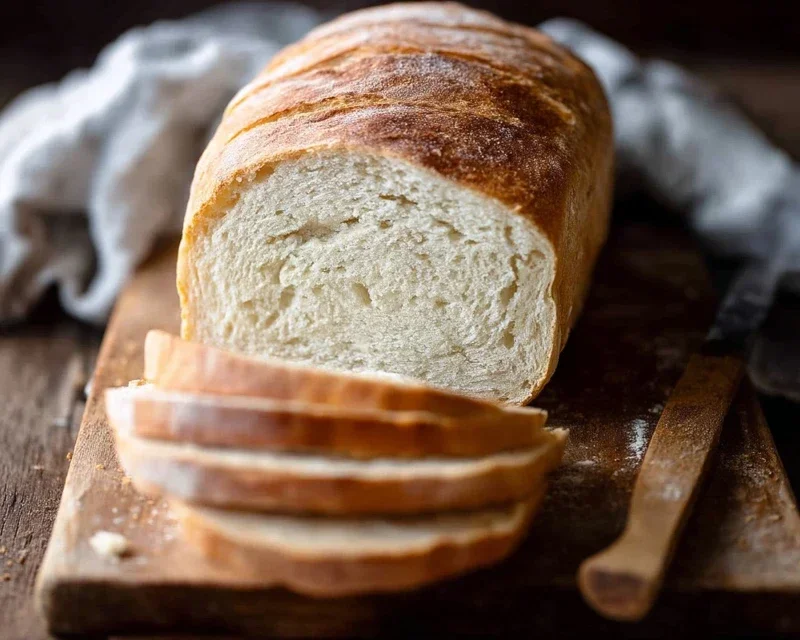
Once baked, remove the bread from the oven and immediately transfer it to a wire rack to cool completely. Resist the urge to slice into it right away; letting it cool allows the interior to set properly and prevents a gummy texture. Enjoy the incredible satisfaction of slicing into your very own homemade bread!
Conclusion:
And there you have it – your very own loaf of delicious homemade bread! We hope you’ve found this recipe to be approachable and rewarding. The satisfaction of pulling a warm, crusty loaf from your oven, filling your home with that incredible aroma, is truly unparalleled. This recipe is great because it uses simple, readily available ingredients and breaks down the process into manageable steps, making it perfect for begin extractners and seasoned bakers alike. The resulting bread is wonderfully versatile, offering a delightful texture and a rich flavor that store-bought simply can’t match.
Imagin extracte this beautiful loaf slathered with butter, used for hearty sandwiches, or served alongside your favorite soup or stew. The possibilities are endless! Don’t be afraid to experiment with variations: add herbs like rosemary or thyme to the dough, sprinkle seeds on top before baking, or even incorporate a touch of honey for a subtle sweetness. We truly encourage you to give this homemade bread a try. It’s a deeply satisfying culinary adventure that will elevate your everyday meals and impress your loved ones.
Frequently Asked Questions:
Why is my bread not rising?
Several factors can affect bread rise. Ensure your yeast is fresh and active (proof it in warm water with a pinch of sugar before mixing). The ambient temperature of your kitchen also plays a role; a warm environment is ideal for yeast activity. Make sure you’re not adding too much salt directly onto the yeast, as it can inhibit its growth. Lastly, be patient with the rising process – sometimes it just needs a little more time!
Can I freeze homemade bread?
Absolutely! Once your homemade bread has cooled completely, you can slice it and freeze it in an airtight container or wrap it tightly in plastic wrap followed by a layer of foil. This is a fantastic way to ensure you always have fresh bread on hand. To enjoy, simply thaw at room temperature or toast slices directly from frozen.
What can I do with stnon-alcoholic ale bread?
Don’t let any of this wonderful creation go to waste! Stnon-alcoholic ale bread is perfect for making breadcrum extractbs (toast it lightly, then process in a food processor), croutons, or even a delicious bread pudding. You can also use it in savory dishes like French onion soup or as a thickener for stews.
Homemade Bread
A simple and delicious recipe for classic homemade white bread, perfect for sandwiches and toasting. This recipe uses basic pantry staples and yields a soft, fluffy loaf.
Ingredients
-
2 cups warm water (105-115 degrees F)
-
1 Tablespoon active dry yeast
-
1/4 cup honey
-
2 teaspoons salt
-
2 Tablespoons canola oil
-
4 – 5 1/2 cups all-purpose flour
Instructions
-
Step 1
In a large bowl, combine the warm water, honey, and yeast. Let it sit for about 5-10 minutes until foamy. -
Step 2
Stir in the salt and canola oil. -
Step 3
Gradually add the flour, about one cup at a time, mixing until a shaggy dough forms. You may not need all the flour. -
Step 4
Turn the dough out onto a lightly floured surface and knead for 8-10 minutes until smooth and elastic. If the dough is too sticky, add a little more flour. -
Step 5
Place the dough in a lightly oiled bowl, turning to coat. Cover with plastic wrap or a damp cloth and let rise in a warm place for 1 to 1.5 hours, or until doubled in size. -
Step 6
Punch down the dough and shape it into a loaf. Place it in a greased loaf pan. -
Step 7
Let the loaf rise again, uncovered, for about 30-45 minutes, or until nearly doubled. -
Step 8
Preheat your oven to 375 degrees F (190 degrees C). Bake for 30-35 minutes, or until the crust is golden brown and the internal temperature reaches 190-200 degrees F (88-93 degrees C). -
Step 9
Remove from the oven and let cool on a wire rack before slicing.
Important Information
Nutrition Facts (Per Serving)
It is important to consider this information as approximate and not to use it as definitive health advice.
Allergy Information
Please check ingredients for potential allergens and consult a health professional if in doubt.