Juicy Ricotta Meatballs – Easy Recipe Delight
Ricotta meatballs are a weeknight dinner revelation that I can’t get enough of. Forget those dry, tough meatballs of the past; these are fluffy, tender, and bursting with flavor, thanks to the secret ingredient: ricotta cheese. This magical addition transforms humble ground meat into something truly spectacular, creating a melt-in-your-mouth texture that’s simply irresistible.
Why You’ll Adore These Ricotta Meatballs:
They’re Incredibly Versatile
Whether you’re serving them over a bed of spaghetti, tucked into a sub sandwich, or even as a delightful appetizer with a dipping sauce, these ricotta meatballs are a crowd-pleaser. Their inherent tenderness makes them a joy to eat, and the subtle creaminess from the ricotta elevates them beyond ordinary. They’re the perfect way to impress your family or friends without spending hours in the kitchen. Get ready to discover your new favorite meatball recipe!
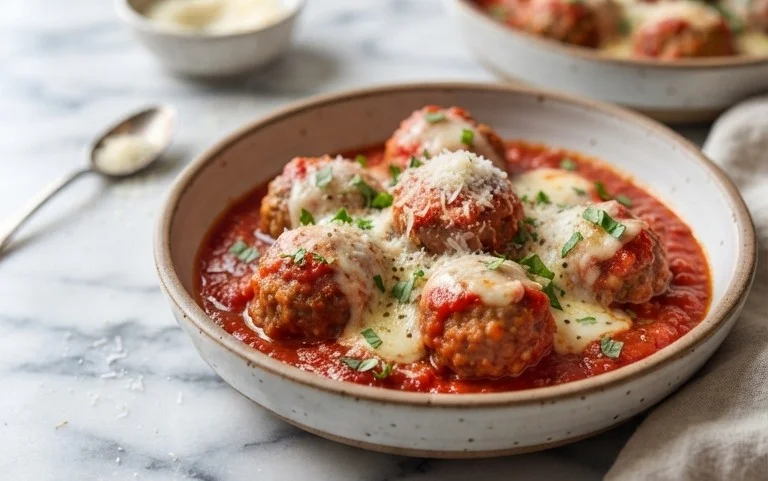
Ricotta Meatballs: The Secret to Incredibly Tender and Flavorful Bites
If you’re looking to elevate your weeknight dinner game or impress guests with a comforting, homemade meal, look no further than these Ricotta Meatballs. Forget dry, crum extractbly meatballs; the addition of creamy ricotta cheese is a game-changer, infusing each bite with unparalleled tenderness and a subtle, delightful richness. These meatballs are not only incredibly easy to make but also burst with classic Italian flavors, making them a perfect pairing for your favorite pasta or a delightful appetizer on their own. Get ready to discover your new go-to meatball recipe!
Ingredients:
Cooking Instructions
Step 1: Preparing the Flavor Base
Let’s get started by building the foundation of flavor for our meatballs. In a large skillet, heat 2 tablespoons of the olive oil over medium heat. Add the finely diced yellow onion and cook until it becomes translucent and softened, which should take about 5-7 minutes. We’re not looking for browning here, just a gentle softening to release its sweetness. Next, add the 3 cloves of minced garlic and sauté for another minute until fragrant. Be careful not to burn the garlic, as this can turn it bitter. Remove the onion and garlic mixture from the skillet and let it cool slightly in a large mixing bowl. This step might seem small, but sautéing the aromatics beforehand really deepens their flavor and makes them more palatable in the final meatball.
Step 2: Crafting the Meatball Mixture
Now for the star of the show! To the bowl with the cooled onion and garlic, add the 1 lb. of ground chuck. It’s important to use good quality ground chuck for the best flavor and texture. Next, gently incorporate the 15 oz. of ricotta cheese. Don’t overmix at this stage; we want to distribute the ingredients without compacting the meat too much. Add the whisked egg, which acts as a binder. Then, pour in the ½ cup of half and half (or cream for an even richer texture). This liquid also contributes to the meatball’s moisture. Now, add the ½ cup of Italian breadcrum extractbs. These will help absorb some of the moisture and provide structure. Sprinkle in the ½ cup of grated Parmesan cheese, which brings a salty, nutty depth. Finally, add the 1/3 cup of roughly chopped fresh parsley, along with the 1 teaspoon of minced garlic, 1 teaspoon each of dried basil, oregano, and parsley, 1 teaspoon of Italian seasoning, 1 teaspoon of mustard powder, 1 teaspoon of salt, and ½ teaspoon of black pepper. The mustard powder might seem unusual, but it adds a subtle tang that really brightens the overall flavor profile of the meatballs.
Step 3: Gently Mixing and Forming
This is a crucial step for achieving tender meatballs. Using your hands, gently mix all the ingredients in the bowl until they are just combined. The key here is to avoid overmixing. Overworking the meat mixture can lead to tough, dense meatballs. We want to keep them light and airy. Once everything is incorporated, it’s time to form the meatballs. You can use a cookie scoop or simply your hands to roll the mixture into golf-ball-sized spheres. Aim for uniformity so they cook evenly. If the mixture feels a little too sticky to handle, you can lightly dampen your hands with water or a tiny bit of olive oil. Place the formed meatballs on a plate or baking sheet as you go. This recipe should yield about 20-24 meatballs, depending on their size.
Step 4: Searing for Flavor and Color
Before simmering in sauce, we’re going to give these meatballs a beautiful sear. Heat the remaining olive oil (about 6 tablespoons) in a large, deep skillet or Dutch oven over medium-high heat. It’s important to have enough oil to coat the bottom of the pan. Once the oil is shimmering (but not smoking), carefully add the meatballs to the hot skillet in a single layer. You may need to do this in batches to avoid overcrowding the pan, as overcrowding will steam the meatballs instead of searing them, preventing that desirable golden-brown crust. Sear the meatballs for about 2-3 minutes per side, until they are nicely browned on all sides. This searing process not only adds a beautiful color but also locks in the juices and develops a rich, savory flavor. Don’t worry if they aren’t cooked through at this point; they will finish cooking in the sauce.
Step 5: Simmering to Perfection
Once your meatballs are beautifully seared, it’s time for them to swim in their delicious bath! Pour the 32 oz. of marinara sauce into the same skillet, scraping up any browned bits from the bottom of the pan – that’s pure flavor! Gently place the seared meatballs into the marinara sauce. Make sure they are mostly submerged. Bring the sauce to a gentle simmer over medium-low heat. Cover the skillet or Dutch oven and let the meatballs simmer for at least 20-30 minutes, or until they are cooked through and the sauce has thickened slightly. The longer they simmer, the more the flavors will meld and the more tender the meatballs will become. For an even deeper flavor, you can simmer them for up to an hour. Stir gently occasionally to ensure they don’t stick to the bottom.
Serve these incredible Ricotta Meatballs hot, perhaps over a bed of your favorite pasta like spaghetti or penne, or alongside crusty bread for dipping. Garnish with a little extra fresh parsley for a pop of color and freshness. Enjoy the fruits of your labor – a truly comforting and delicious meal!
Conclusion:
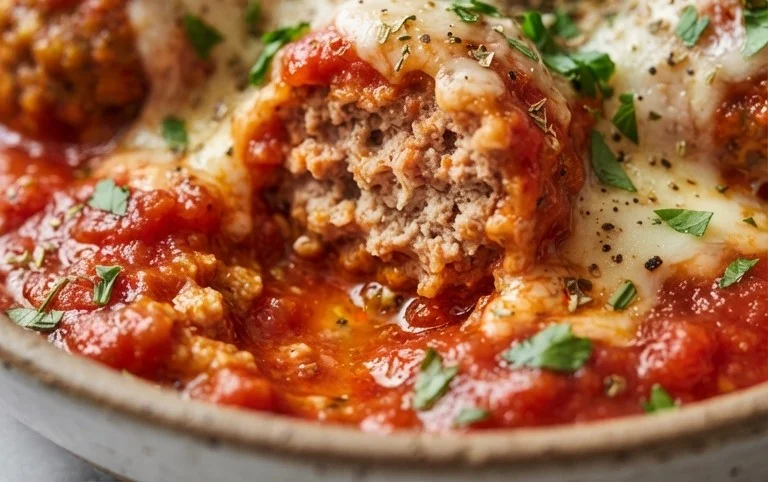
There you have it – a guide to crafting delicious and surprisingly light Ricotta Meatballs! The secret ingredient, ricotta cheese, truly transforms these from ordinary to extraordinary. It lends an incredibly tender and moist texture that’s often hard to achieve with traditional meatball recipes. They’re perfect for a comforting weeknight dinner, an impressive appetizer, or even a delightful addition to a party spread. I encourage you to give this recipe a try; you won’t be disappointed by the fantastic flavor and melt-in-your-mouth goodness!
For serving, these Ricotta Meatballs are incredibly versatile. They pair beautifully with your favorite pasta and marinara sauce. You can also serve them on small toasted baguette slices for mini meatball subs, or as a standalone appetizer with a drizzle of extra sauce and a sprinkle of fresh parsley or grated Parmesan. Don’t be afraid to experiment with variations! You could swap out the beef for a mix of beef and veal, or even go vegetarian with finely chopped mushrooms and breadcrum extractbs. Adding a pinch of red pepper flakes can give them a nice kick, and incorporating fresh herbs like basil or oregano into the mix will elevate their aroma and taste even further.
Frequently Asked Questions:
Can I make these ricotta meatballs ahead of time?
Absolutely! You can prepare the meatball mixture and form them into balls a day in advance. Store them covered in the refrigerator. For best results, cook them just before serving. You can also freeze the uncooked meatballs on a baking sheet until firm, then transfer them to a freezer-safe bag for longer storage. Cook them from frozen, adding a few extra minutes to the cooking time.
What kind of ricotta cheese should I use?
Whole milk ricotta will provide the richest flavor and creamiest texture, but part-skim ricotta works well too. Ensure your ricotta is well-drained of excess liquid for the best meatball consistency. You can achieve this by placing it in a fine-mesh sieve lined with cheesecloth or a paper towel for about 15-20 minutes before using it.
Ricotta Meatballs
Juicy and tender meatballs made with ricotta cheese, perfect for serving with marinara sauce.
Ingredients
-
1 lb. ground chuck (80% lean)
-
15 oz. Ricotta cheese
-
1 Egg (whisked)
-
½ cup Italian breadcrumbs
-
½ cup Parmesan cheese
-
1 yellow onion (finely diced)
-
3 cloves garlic (minced)
-
1 teaspoon EACH: dried basil, oregano, parsley
-
½ cup half and half
-
1 teaspoon EACH: Italian seasoning, mustard powder, salt
-
½ teaspoon Pepper
-
32 oz. marinara sauce
-
½ cup olive oil (divided)
-
1/3 cup roughly chopped parsley (plus more to garnish)
Instructions
-
Step 1
Preheat oven to 375°F (190°C). -
Step 2
In a large bowl, combine the ground chuck, ricotta cheese, whisked egg, Italian breadcrumbs, Parmesan cheese, finely diced yellow onion, 3 cloves minced garlic, dried basil, dried oregano, dried parsley, half and half, Italian seasoning, mustard powder, salt, and pepper. Mix gently until just combined, being careful not to overmix. -
Step 3
Roll the mixture into 1 to 1.5-inch meatballs. You should get about 24-30 meatballs. -
Step 4
Heat 2 tablespoons of olive oil in a large oven-safe skillet or Dutch oven over medium-high heat. Brown the meatballs in batches, turning to brown all sides. Do not overcrowd the pan. -
Step 5
Once browned, remove the meatballs from the skillet and set aside. Pour off any excess fat. -
Step 6
Add the marinara sauce to the skillet and bring to a simmer. Return the meatballs to the skillet, nestling them into the sauce. Sprinkle with the roughly chopped parsley. -
Step 7
Cover and bake for 25-30 minutes, or until the meatballs are cooked through and the sauce is bubbling. -
Step 8
Garnish with additional fresh parsley before serving.
Important Information
Nutrition Facts (Per Serving)
It is important to consider this information as approximate and not to use it as definitive health advice.
Allergy Information
Please check ingredients for potential allergens and consult a health professional if in doubt.